

NHL 27 is not being marketed around one isolated addition. EA Sports is addressing several parts of the experience that players encounter in nearly every game, including arena atmosphere, broadcasts, team behavior, commentary, and Franchise play.
Some features already look substantial on paper. Others will need hands-on testing to determine whether they create meaningful differences across a full season.
All Confirmed NHL 27 Features
The major additions announced for NHL 27 include:
- Rebuilt atmospheres for all 32 NHL arenas
- A modernized broadcast presentation
- John Buccigross and Darren Pang as the new commentary team
- Connected Franchise leagues with up to 32 human-controlled teams
- Unique playbooks for every NHL team
- Team strategies informed by NHL EDGE data
- Cohesive Team AI improvements
- Contextual Strategy Shifts during games
- Authentic coaches and playbooks in Hockey Ultimate Team
EA plans to provide additional Connected Franchise, gameplay, and presentation details before release, so this is not necessarily the complete launch feature list.
All 32 Arenas Have New Atmospheres
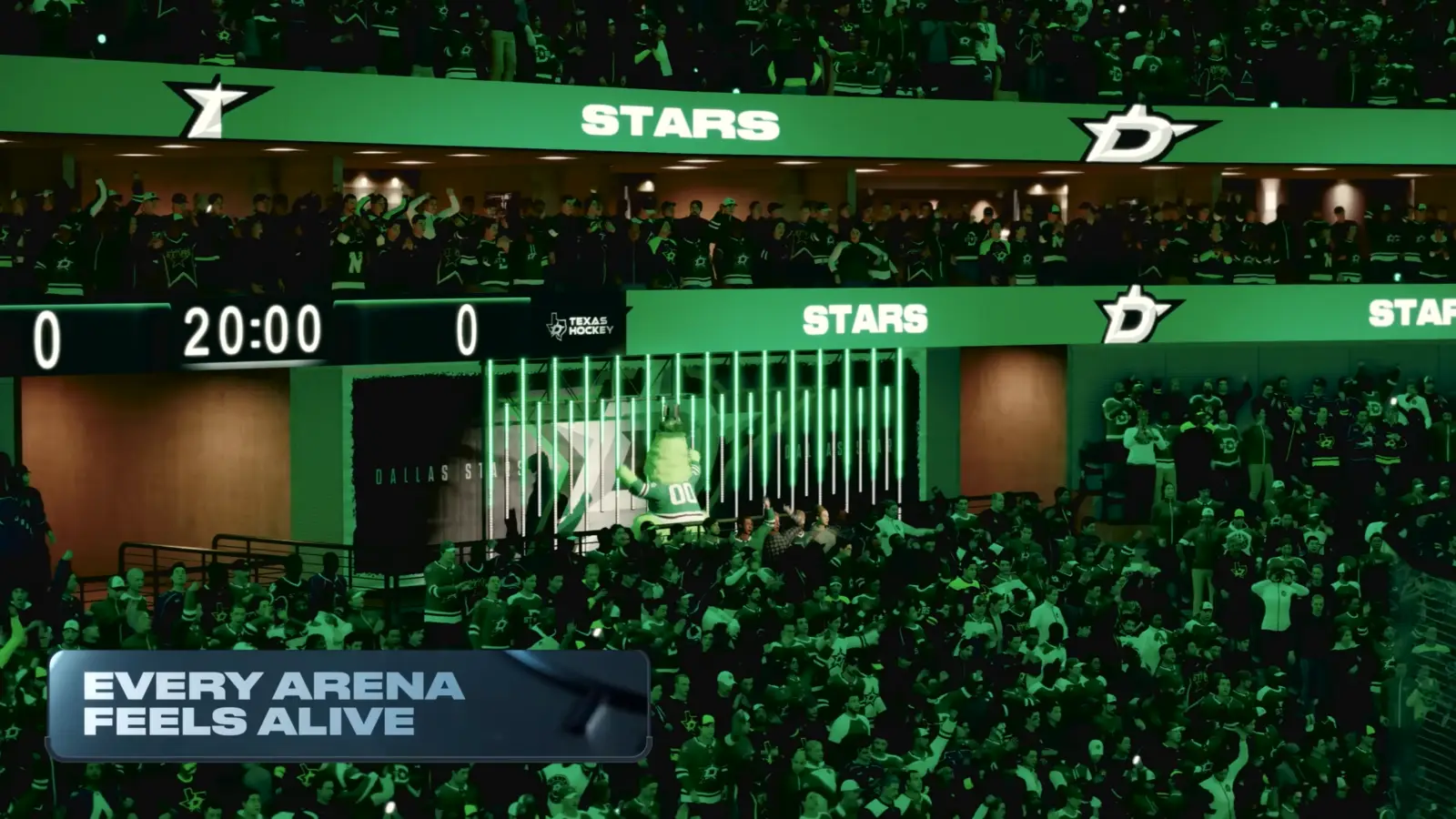
Every NHL arena is being rebuilt around the identity of its home team. EA says the updated venues include authentic goal songs, chants, mascots, superfans, crowd traditions, dynamic lighting, jumbotron moments, and team-specific pregame presentations.
A new system called the Orchestrator controls how those elements respond during a game. Instead of playing the same presentation sequence at the same point in every matchup, it considers what is happening on the ice and coordinates crowd reactions, music, lighting, cameras, jumbotrons, and arena effects around the moment.
For players who spend most of their time in solo modes, this could be one of NHL 27’s most valuable improvements. Previous games could begin to feel visually flat across a long season, even when switching teams or arenas.
The reveal makes the new arena identity look promising. However, the real test will be how many variations each building supports and how quickly repeated entrances, reactions, and transitions become familiar.
The Broadcast Package Has Been Rebuilt
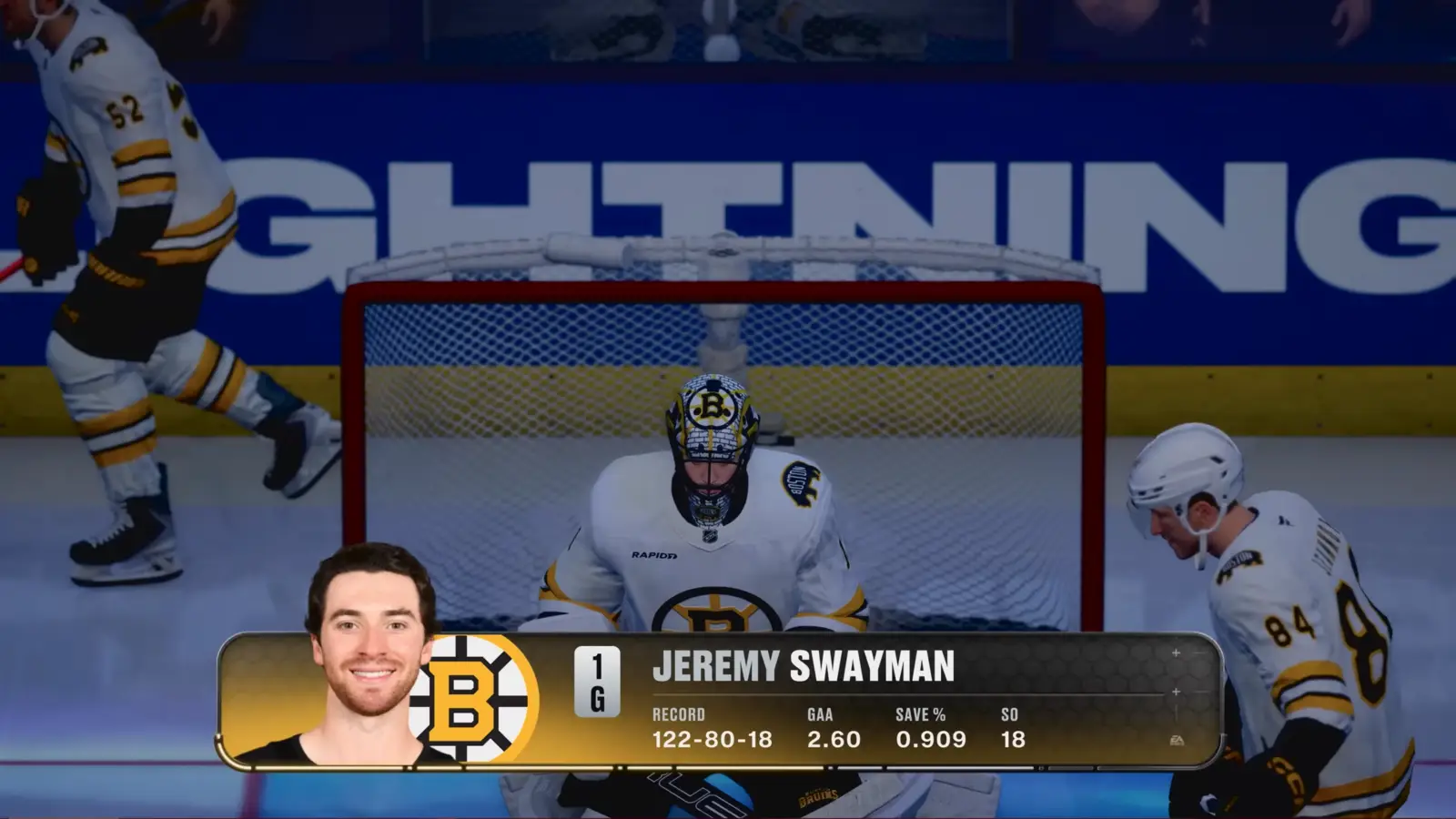
NHL 27 introduces a new broadcast package with updated scorebugs, overlays, player callouts, goalie introductions, transitions, replay treatments, and presentation graphics. Camera work and visual storytelling are also being revised for moments before the game, between whistles, and during highlights.
This addresses an area that has felt overdue for an update. A cleaner presentation could make individual games easier to follow while giving season and Franchise play a more contemporary look.
EA has not announced a complete redesign of every menu or mode interface. The confirmed changes apply specifically to broadcasts and in-game presentation, so broader UI improvements should not be assumed from the reveal alone.
NHL 27 Has a New Commentary Team
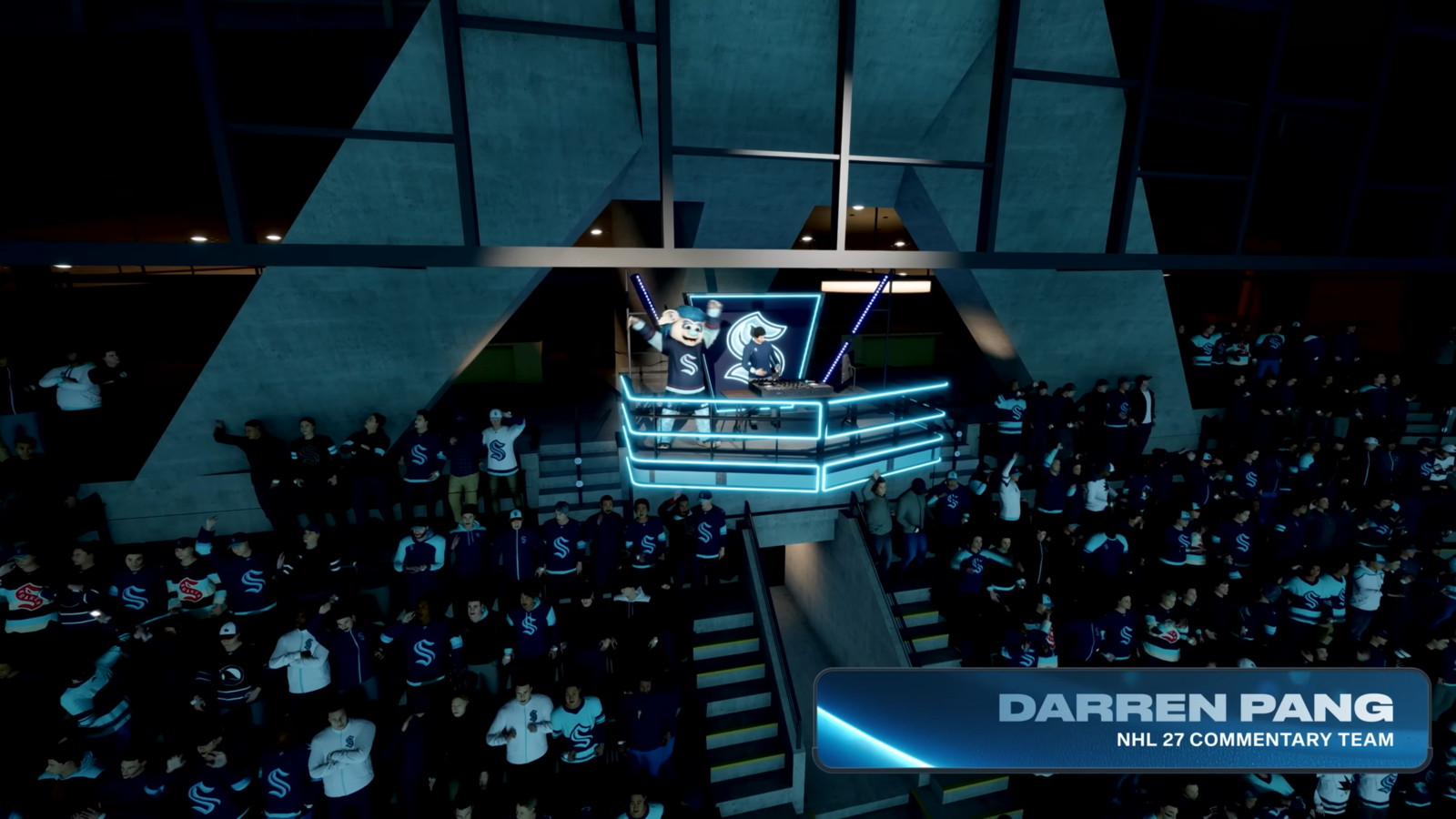
ESPN play-by-play announcer John Buccigross and former NHL goaltender Darren Pang replace the previous lead commentary pairing.
EA says the new recordings are designed to produce more natural reactions, smoother exchanges, and deeper analysis of what is happening during each game. Pang’s goaltending background will also be used to explain positioning, reads, systems, and smaller details around the play.
New voices should immediately make NHL 27 sound different, although commentary variety will be another area worth evaluating over a full season rather than a handful of matches.
Connected Franchise Adds Online Leagues
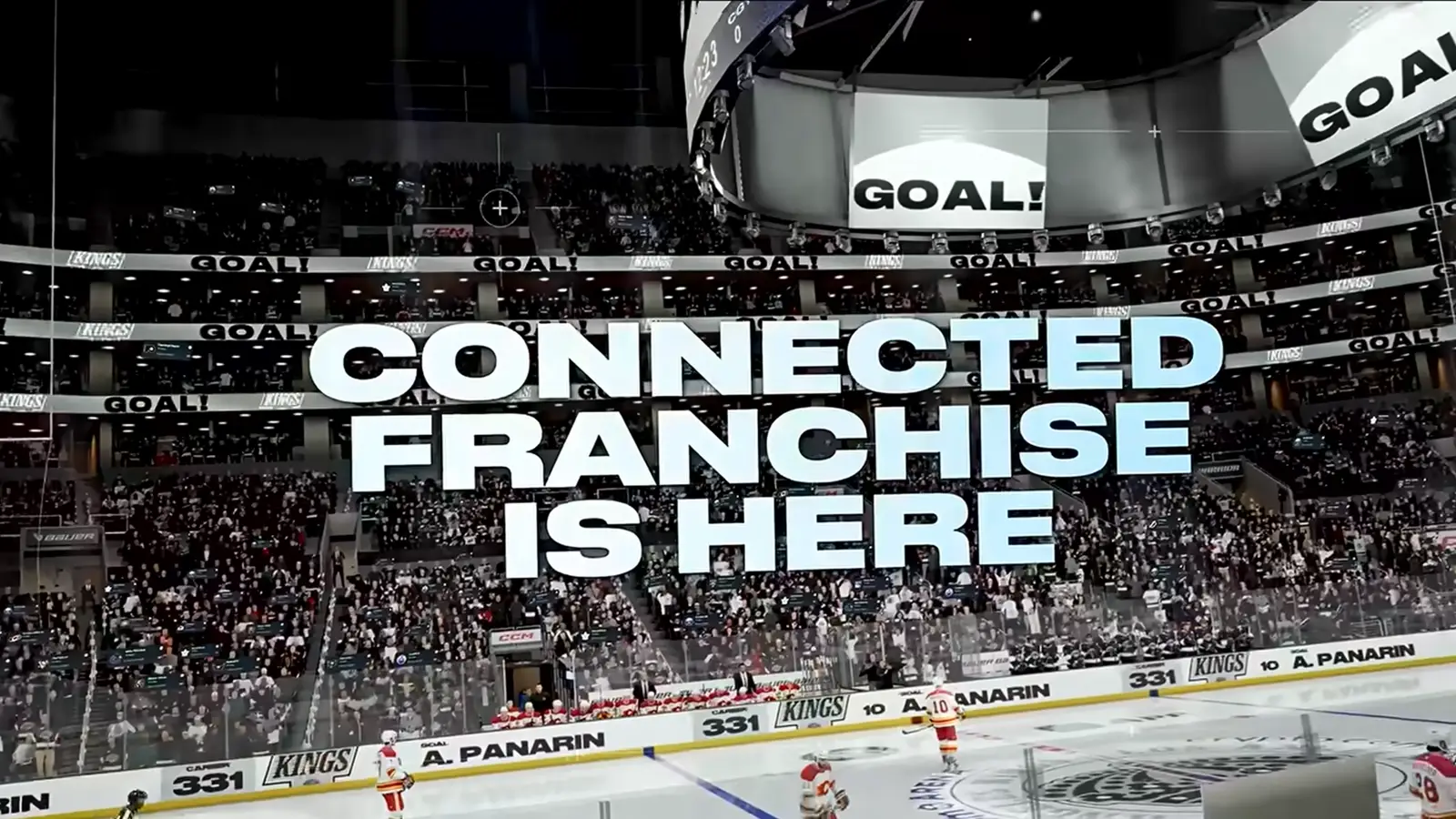
Connected Franchise allows up to 32 players to control separate NHL teams across a complete online season. Leagues support customizable rules, flexible schedules, roster management, and commissioner controls.
Commissioners can manage users, move players between teams, override roster transactions, advance league phases, adjust settings and sliders, approve trades, process claims, and resolve game results. EA describes this version as a foundation for the mode, with a more detailed walkthrough planned before release.
The feature is aimed primarily at organized groups rather than solo Franchise players. The reveal material provided so far does not outline major changes to the traditional offline Franchise experience.
Every NHL Team Has Its Own Playbook
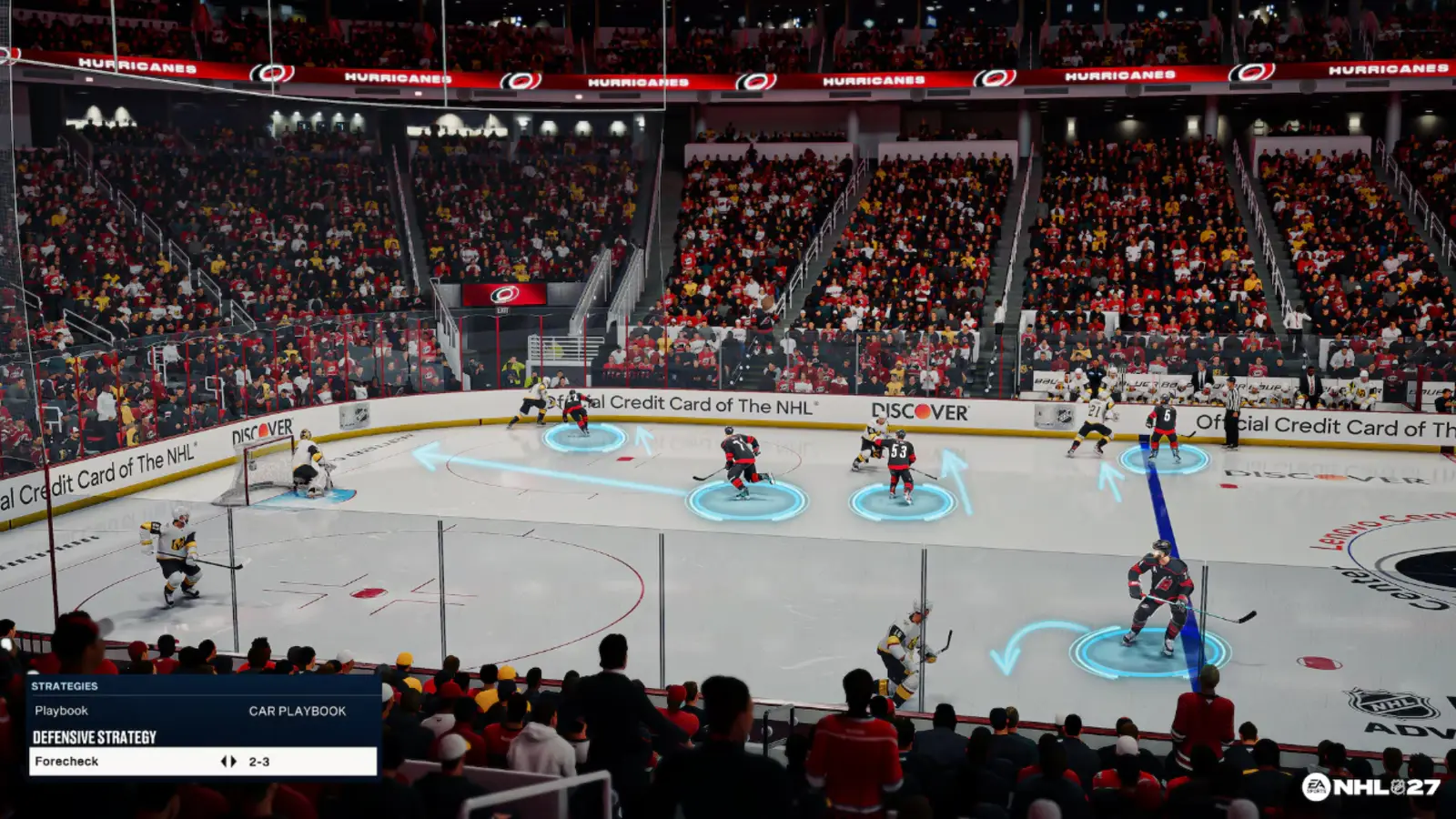
All 32 teams receive unique playbooks informed by real-world NHL EDGE positional data. These systems affect forechecking, defensive pressure, breakouts, neutral-zone movement, offensive-zone tendencies, special teams, and late-game strategy.
Some teams will favor dump-and-retrieve offense, while others will carry the puck through the neutral zone more often. Cycle-versus-shoot tendencies will also influence whether a club works for a cleaner opportunity or attacks through shot volume, screens, rebounds, and traffic.
Players can study and equip playbooks across supported modes. Choosing a team should therefore affect more than its roster and player ratings.
AI Teams Can Adjust During Games
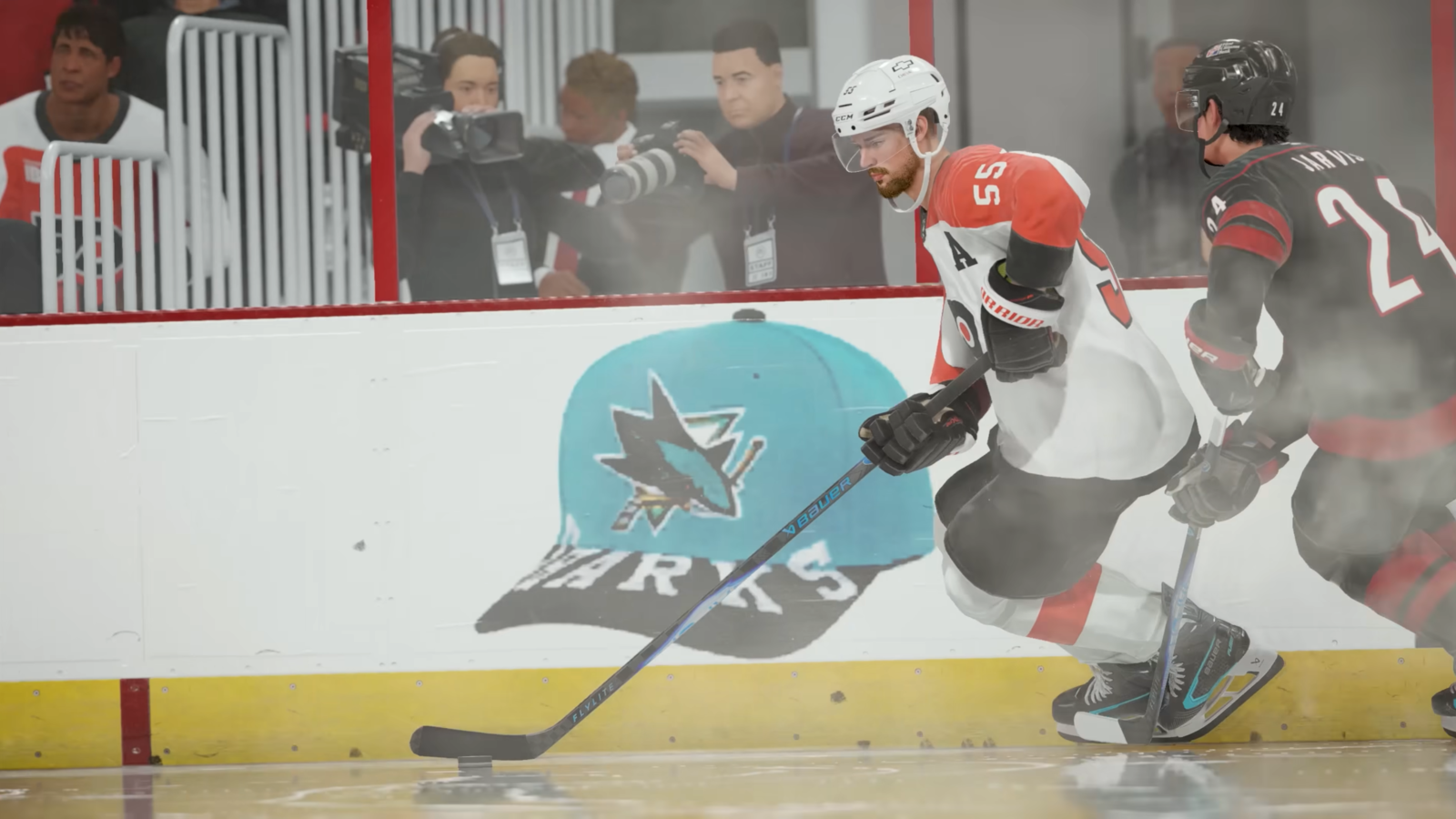
Cohesive Team AI is intended to improve how computer-controlled teammates support one another. EA specifically highlights better pressure and puck retrieval after dump-ins, with linemates reacting together instead of behaving as isolated players.
Contextual Strategy Shifts allow teams to change tactics according to the score, remaining time, and current game situation. A team protecting a late lead should approach the final minutes differently from one chasing an equalizer.
These systems could create more noticeable differences between matchups. Their success will depend on whether the AI reacts intelligently without becoming overly predictable or receiving artificial advantages.
Hockey Ultimate Team Adds Coaches and Playbooks
Hockey Ultimate Team will incorporate authentic NHL coaches and team playbooks. Coaches add line-combination connections inspired by their real coaching histories, introducing another consideration when building a roster.
EA has not yet provided a complete HUT breakdown, so details about progression, rewards, packs, and competitive changes remain limited.
The presentation overhaul, arena identities, and team-based AI systems are the features that stand out most before launch. They directly affect the part of NHL 27 players experience every time they start a game, making them important areas to examine once review access begins.