
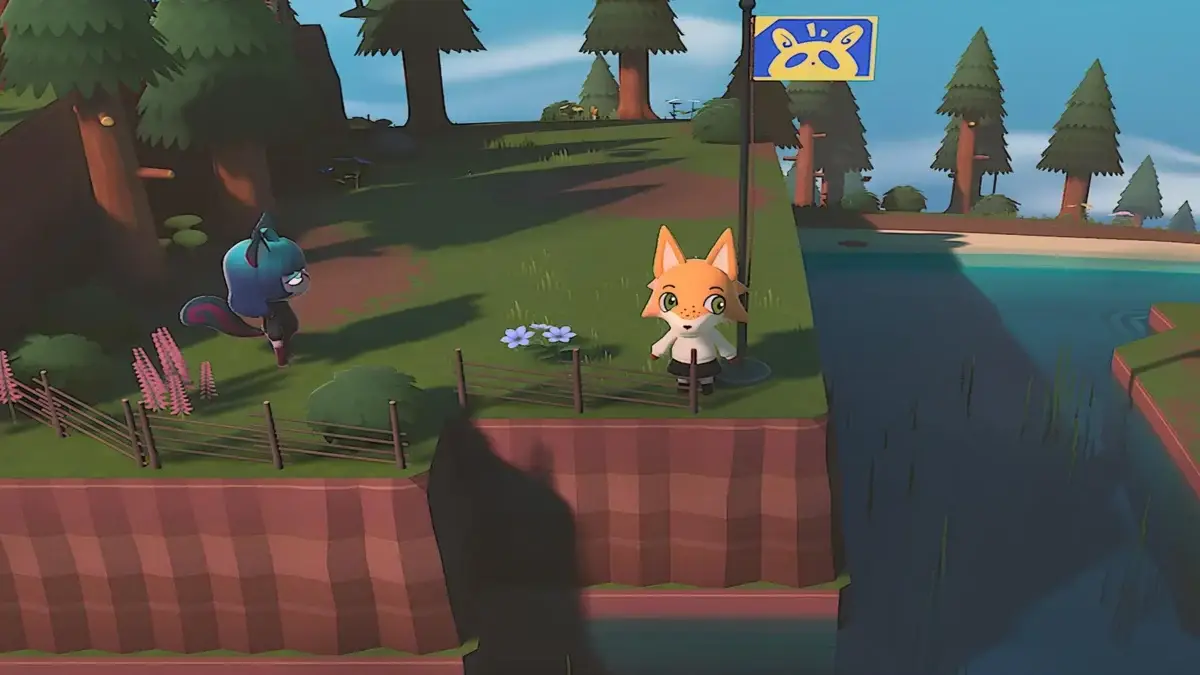

This Zu Xing Review covers a cozy forest village with charming animal residents, gathering activities, changing weather, and an attractive curved-world presentation. At first glance, it resembles a smaller Animal Crossing-style experience, complete with fishing, bug catching, tree chopping, and villagers scattered around town.
Unfortunately, this Zu Xing Review quickly became less about discovering a social simulation and more about confirming how little there was to do. The village looks pleasant, but there are no quests, friendships, rewards, decorating systems, meaningful collectibles, or lasting progression.
After approximately an hour, I had explored the town, spoken to its residents, and tried every activity I could find. Most of that content had already been exhausted within the first 30 minutes.
The Forest Town Looks Better Than it Plays
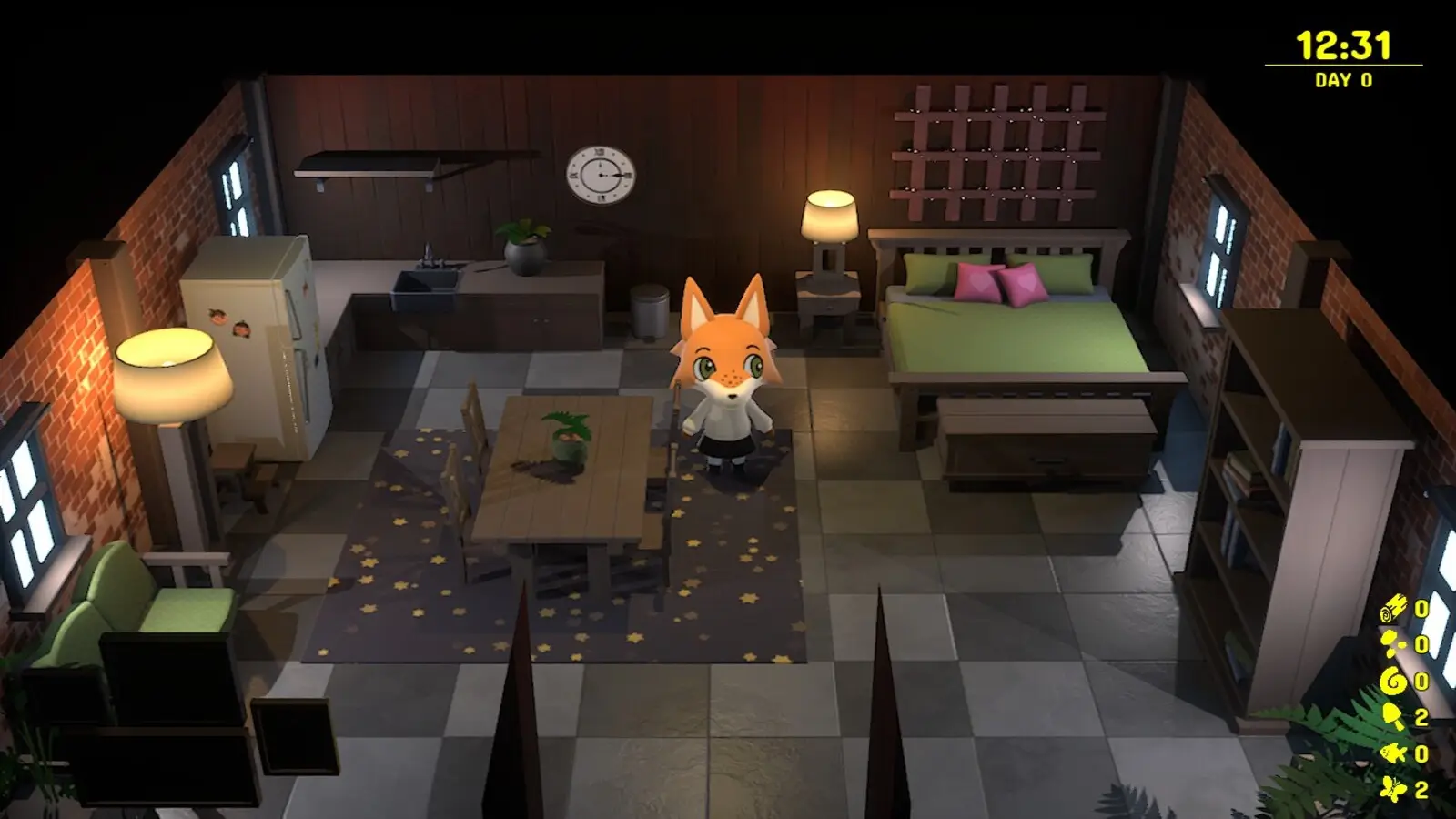
The strongest part of Zu Xing is its visual presentation.
The game uses a curved-world perspective similar to Animal Crossing. The terrain appears to roll toward the player as the camera follows them around the village. This helps the relatively small world feel more distinctive and gives exploration a relaxed storybook quality.
The town also has more verticality than I expected. Stairs lead to elevated areas, while houses, campsites, trees, furniture, and paths are arranged across multiple levels. Its overall size felt comparable to an individual Animal Crossing: New Horizons island, even though there was far less to do inside it.
Character designs are another highlight. The pumpkin and moose residents were my favorites, but the broader selection of animals also fits the cozy setting well. The houses contain detailed furniture, while the campsites, sky, and outdoor scenery give the village a surprising amount of visual personality for such an inexpensive game.
A train occasionally passes through the town, which was one of the more memorable environmental touches. It does not appear to lead to a new area or event, but seeing it move through the village helps the world feel briefly alive.
The accelerated day-and-night cycle is also visually appealing. An in-game clock quickly moves through a full 24-hour period, changing the lighting between morning, daytime, dusk, and night. Rain occasionally arrives as part of the repeating weather cycle.
However, each session follows the same basic pattern. Days are not recorded, weather does not create new opportunities, and the cycle resets when the game closes.
Collecting Without an Inventory or Purpose
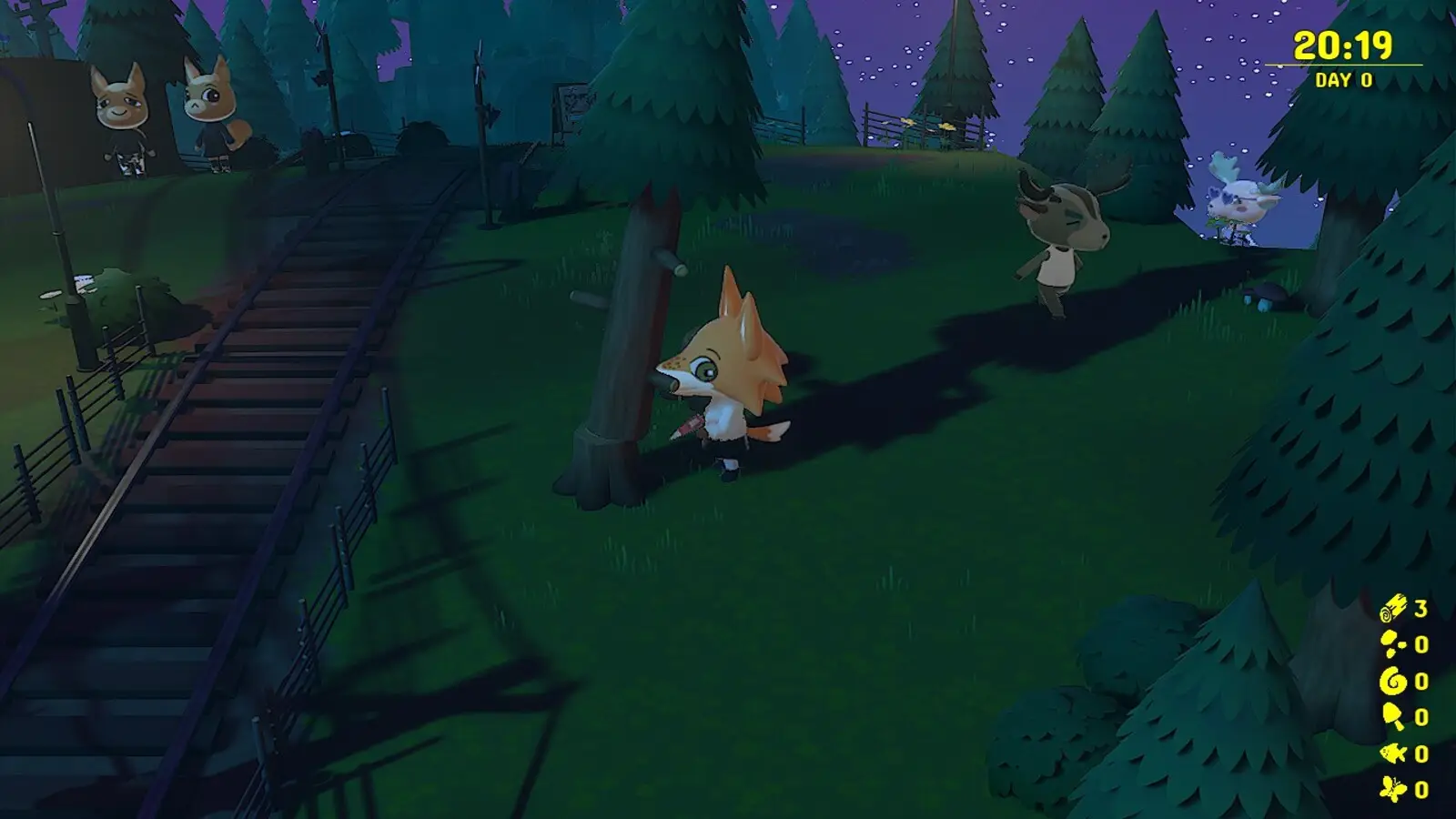
The biggest disappointment during my Zu Xing Review was discovering that collecting items serves no lasting purpose. Different bugs, mushrooms, fish, and shells appear throughout the environment, but there is no inventory where players can examine or organize what they find.
Fishing requires locating a fish in the water, casting nearby, and pressing the interaction button after it bites. Bug catching involves approaching an insect and interacting while holding the net. Trees require several button presses before falling, while mushrooms and seashells can simply be picked up.
Different bugs, mushrooms, fish, and shells appear throughout the environment. However, the game does not include an inventory. Items cannot be examined, sold, traded, donated, cooked, displayed, crafted into something else, or given to a resident.
Instead, a small interface on the right side of the screen displays an icon and a running total. Catching 11 bugs, for example, produces a bug icon beside the number 11.
That counter is the entire reward.
There are no milestones, unlocks, achievements, or collection pages tied to these totals. Worse, every number resets after quitting the game. The counter does not even serve as a permanent record of what the player accomplished.
Resources eventually respawn, so gathering can continue indefinitely. However, collecting additional items only raises temporary numbers that disappear when the session ends.
For a game built around repeatable activities, that lack of purpose removes almost every reason to keep playing.
The Social Simulation is Barely Social
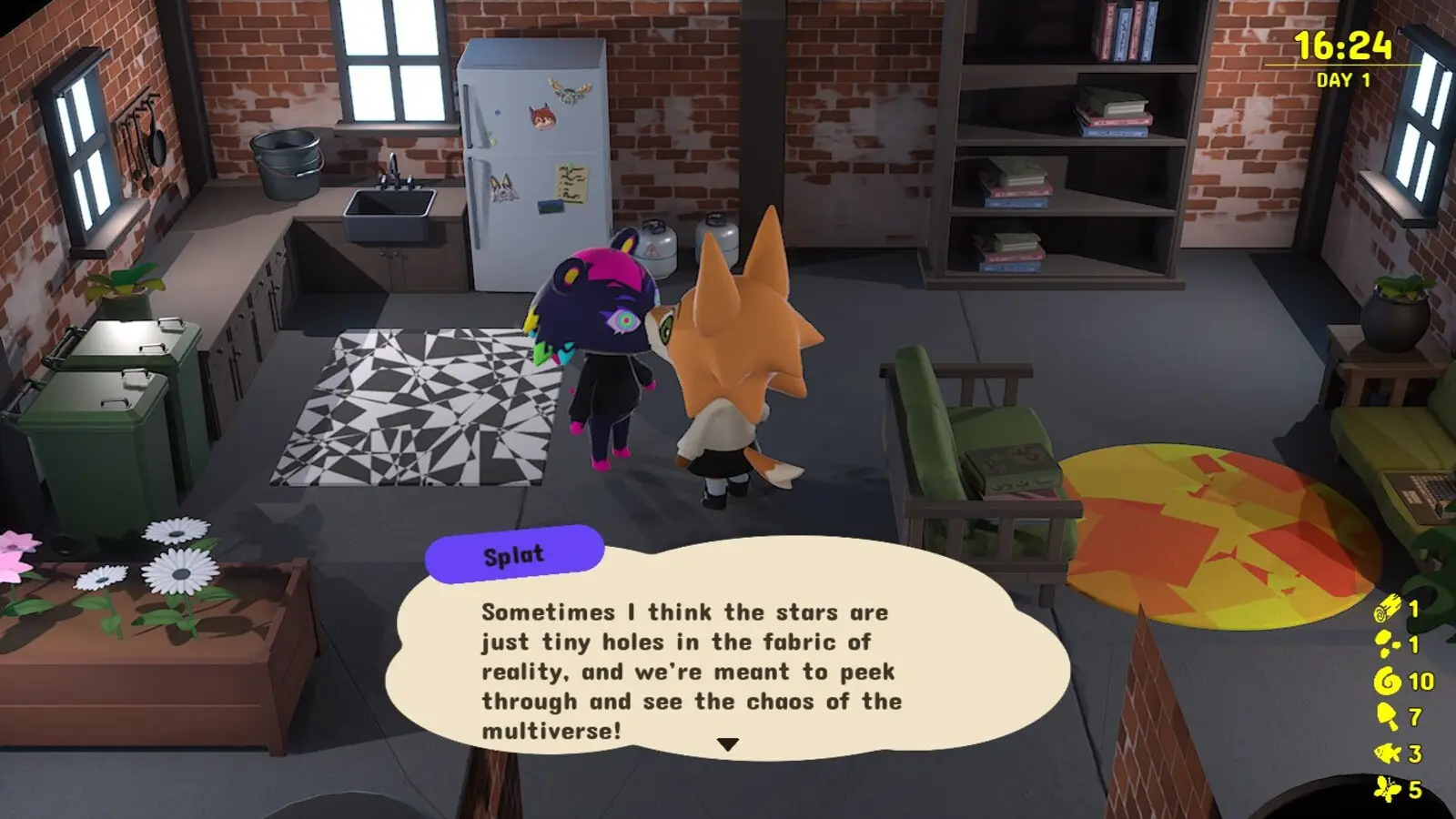
The village contains approximately 10 to 15 animal residents. Some wander around specific outdoor areas, while others remain inside their homes.
Several characters have names and recognizable designs, but their dialogue is extremely limited. Talking to the same villager again usually produces the same line, and residents do not appear to react to the time of day, weather, collected items, or anything the player has done.
There is no friendship system. Players cannot give gifts, complete requests, unlock conversations, or build relationships over time. Villagers also do not meaningfully interact with each other.
Calling Zu Xing a social simulation feels generous because there is no social progression or simulation underneath the dialogue system. The residents function more like stationary points of interest than characters whose lives continue around the player.
One conversation was especially distracting. A resident directly encouraged me to visit the publisher’s Steam page and purchase a bundle containing its other games.
The line does not open the store automatically, but it still feels awkwardly promotional. That sales pitch stands out even more because the game offers so little meaningful dialogue about its own world.
Basic Interactions Lack Feedback
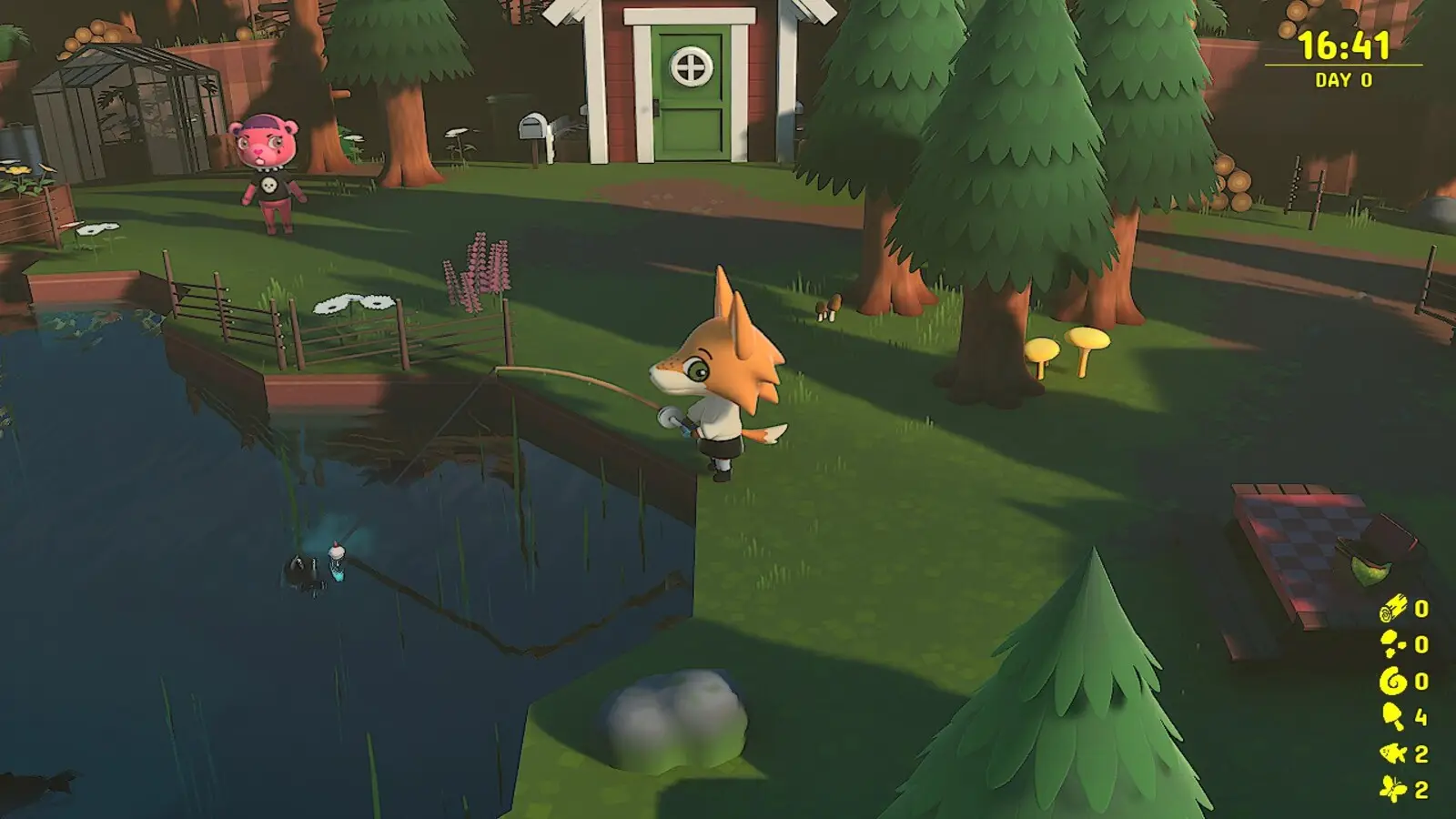
Several activities could have benefited from clearer animation and sound feedback.
Fishing was the most confusing example. When a fish bites, the character briefly raises the fishing rod and the counter increases. There is no satisfying catch animation showing the fish being pulled from the water.
At first, I thought I had repeatedly failed a fishing minigame. It took a moment to realize that the fish were being collected automatically.
Other parts of the environment allow similarly limited interactions. A trash can lid can be opened, but most furniture and objects cannot be used in any meaningful way. These small touches suggest a more interactive world without providing enough actions to support it.
The audio design also became distracting. Music, birds, and other ambient sounds played loudly and looped frequently. Since the game does not include a settings menu, there was no way to balance the music and effects separately.
On Steam Deck, I had to adjust the system volume instead.
Awkward Equipment and Interface Problems
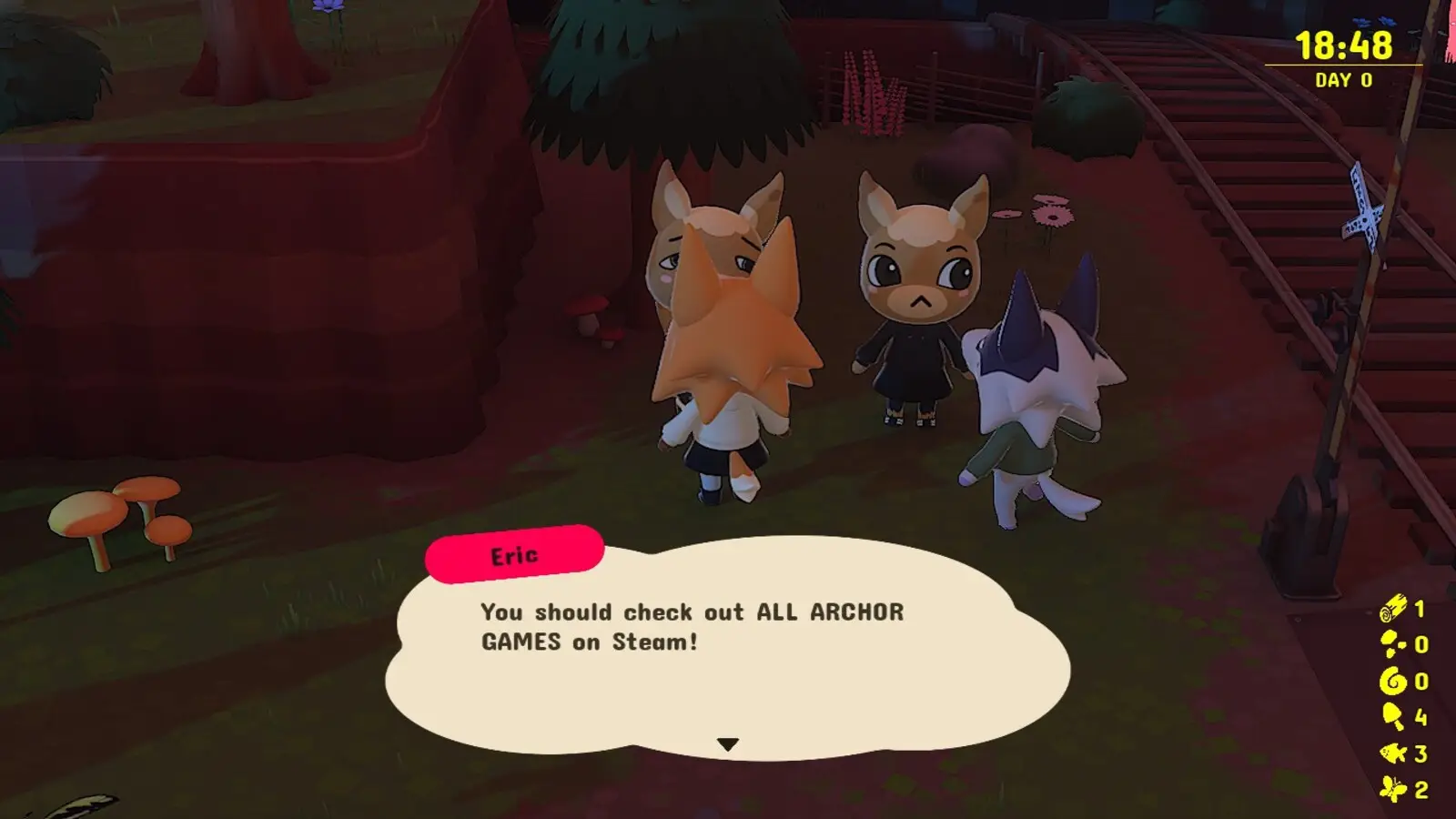
The equipment system creates unnecessary friction during basic interactions.
Players cannot enter houses, speak to villagers, or pick up objects while holding certain tools. Before interacting with something, the currently equipped item must be removed or cycled away.
The problem becomes worse during conversations. It is possible to cycle equipment while dialogue is open, but equipping an item can prevent the interaction button from closing the dialogue box. The player must unequip the tool before continuing.
This turns routine conversations and exploration into constant equipment management. A quality-of-life system that automatically lowered tools during interactions would have solved most of the issue.
The controls overlay creates another annoyance. Every time I entered or exited a building, the controls menu reappeared on the screen. I had to manually dismiss it again each time.
There is no option to disable the overlay permanently.
No Main Menu, Settings, or Save System
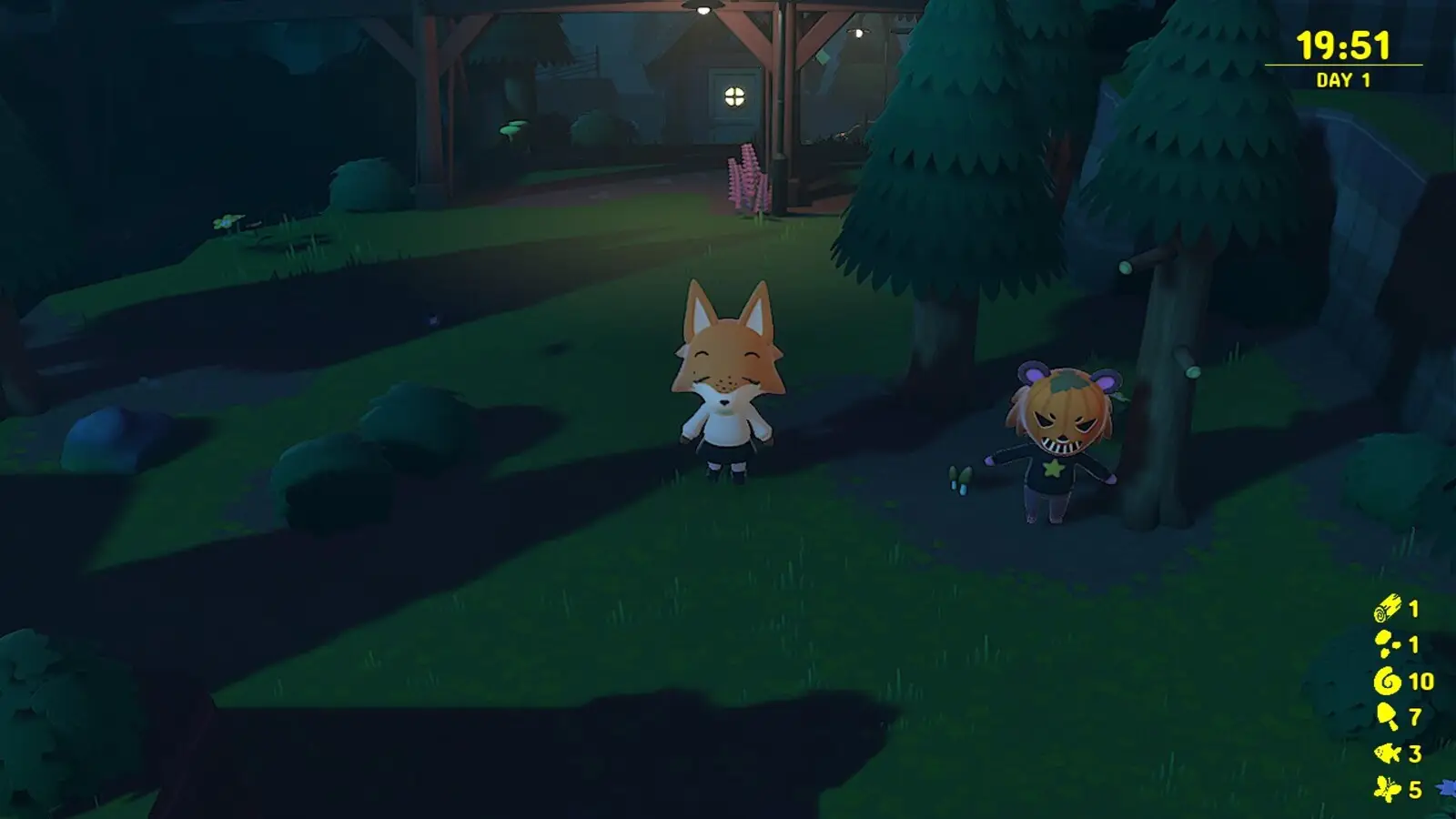
The game does not have a traditional main menu. Launching the game loads the player directly into the town.
There is also no pause menu or settings screen. Players cannot adjust the music, sound effects, display options, control layout, or other basic preferences from inside the game.
The absence of a save system initially seemed like a major problem. However, it eventually became clear that there is simply nothing meaningful to save.
Collected totals reset. Days reset. Weather follows the same cycle. Villagers do not remember conversations, and there is no progression to preserve.
Closing the game means leaving behind everything completed during that session, although none of it had a lasting effect in the first place.
Steam Deck Performance is Solid
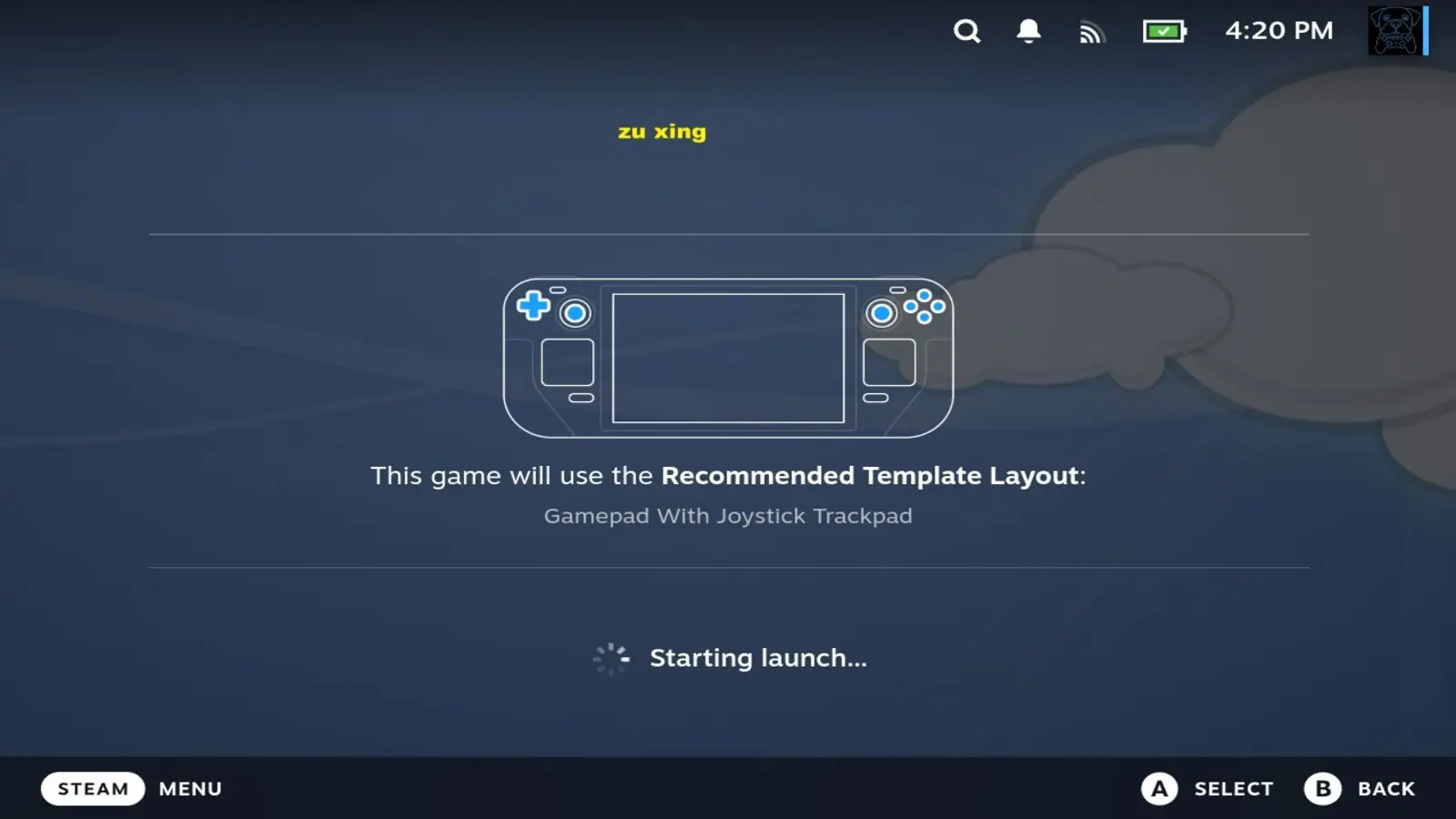
My experience with the Zu Xing review on Steam Deck was technically stable.
Performance remained smooth, the controls worked properly, and the game displayed correctly at the handheld’s resolution. I did not experience crashes, stuttering, freezing, or other major performance problems.
Text was readable, and exploring the village felt comfortable on the handheld. From a technical performance standpoint, the Steam Deck version caused no serious concerns.
The missing settings, loud audio, repeated controls overlay, and awkward equipment restrictions still affected the experience. However, those are design and interface problems rather than Steam Deck compatibility issues.
Final Verdict — Is Zu Xing Worth Playing?
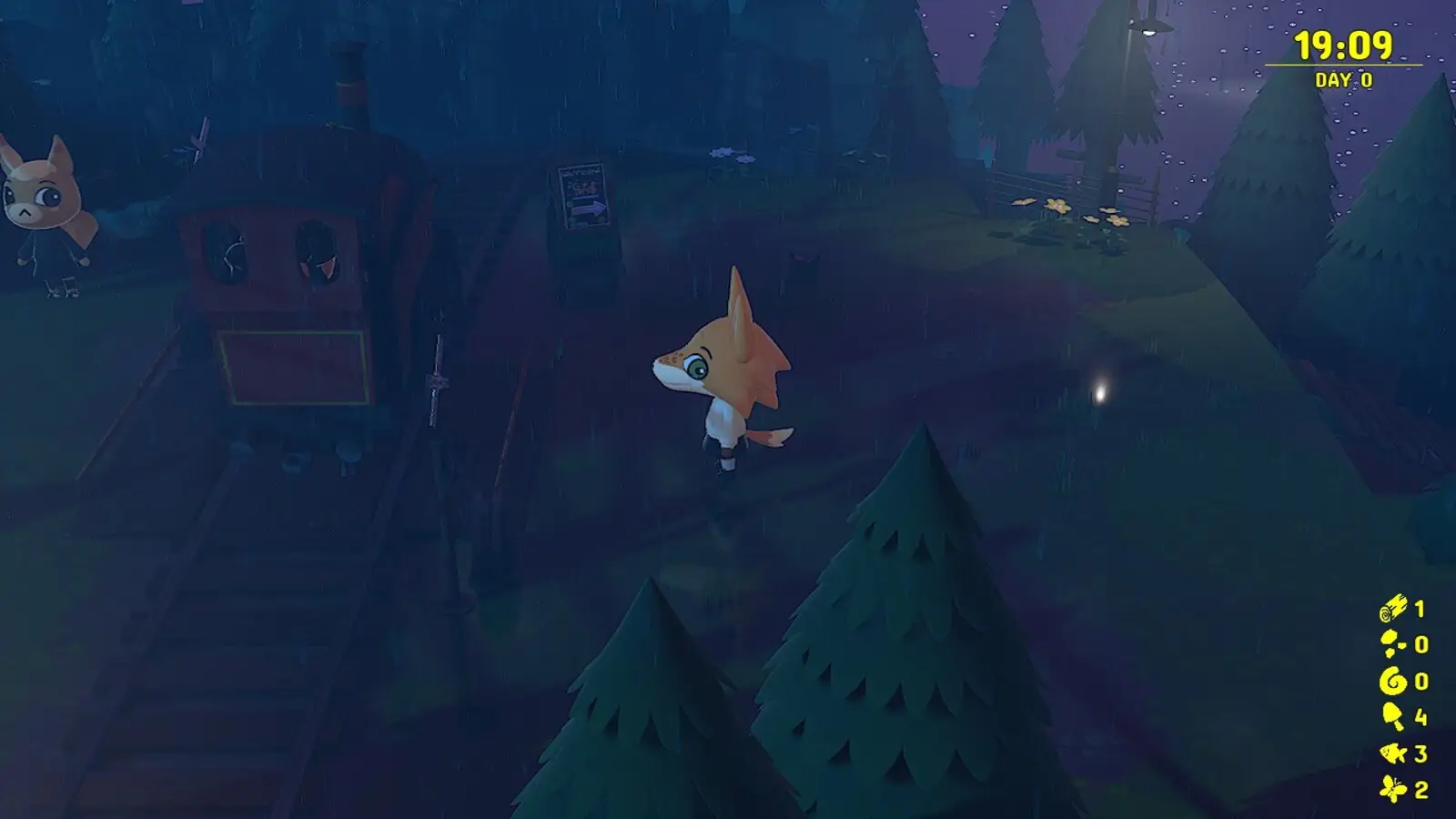
After spending an hour exploring the village for this Zu Xing Review, I had exhausted nearly everything the game offered. The curved forest town looks good, the residents have charming designs, and the changing weather can be relaxing, but there is little reason to return after seeing it once.
At its regular price of $0.99, Zu Xing is undeniably cheap. I also encountered it at a sale price of $0.69.
That low cost does not change what the game provides.
There is enough here for approximately 30 minutes of casual exploration. The curved forest town looks good, the residents have charming designs, and watching the environment shift between daylight, rain, and nighttime can be relaxing.
After that first tour, there is almost no reason to remain.
The gathering activities feed temporary counters. Villagers repeat limited dialogue. The weather and day cycle repeat without affecting anything. There are no quests, friendships, rewards, unlocks, decorations, achievements, goals, or lasting collections.
Zu Xing feels more like a visual proof of concept or a small interactive demo than a finished social simulation. That does not mean the developer intended something larger and abandoned it, but the final product lacks the systems needed to support its own store description.
Cheap games do not need dozens of hours of content. They still need a clear purpose, satisfying loop, or memorable experience. It provides a nice place to walk around, but it does not provide enough reasons to stay.