
Ranking the Scream movies is always going to start a fight, because even the “weaker” entries still have something only Scream can pull off: sharp meta, killer set pieces, and characters you actually care about. This list is based on rewatch value, how well the mystery plays, how iconic the moments are, and how much each movie feels like it understands the franchise’s DNA. Here’s every Scream movie ranked from best to worst, and why each one lands where it does.
1. Scream (1996)
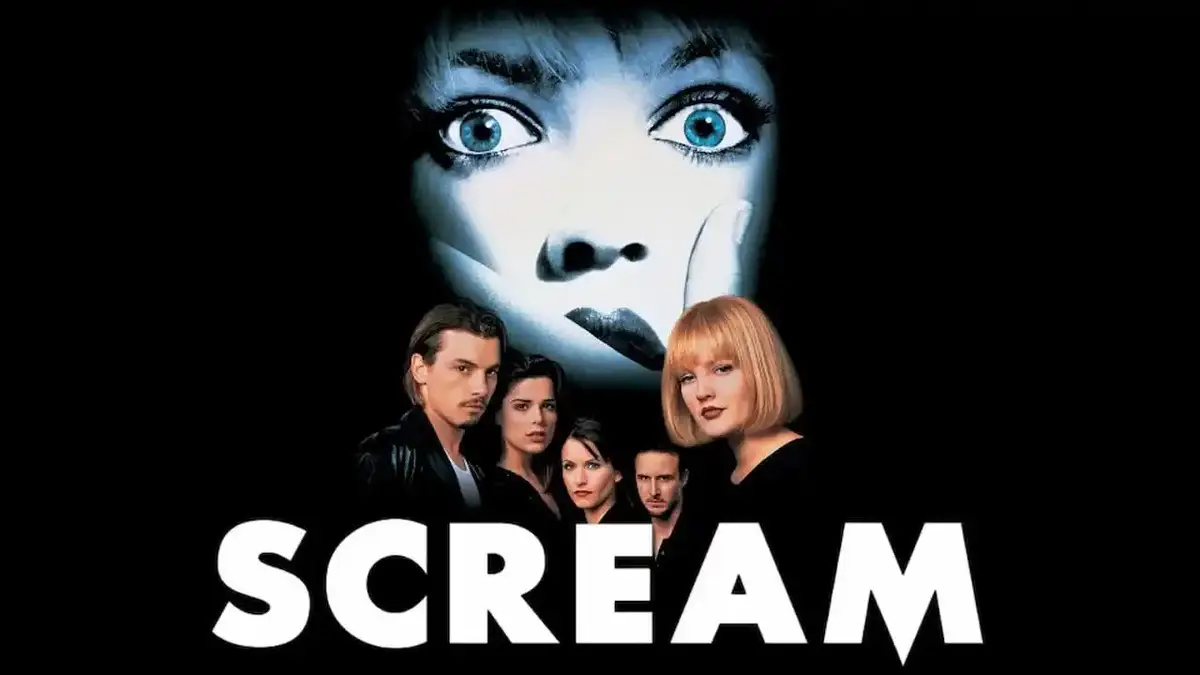
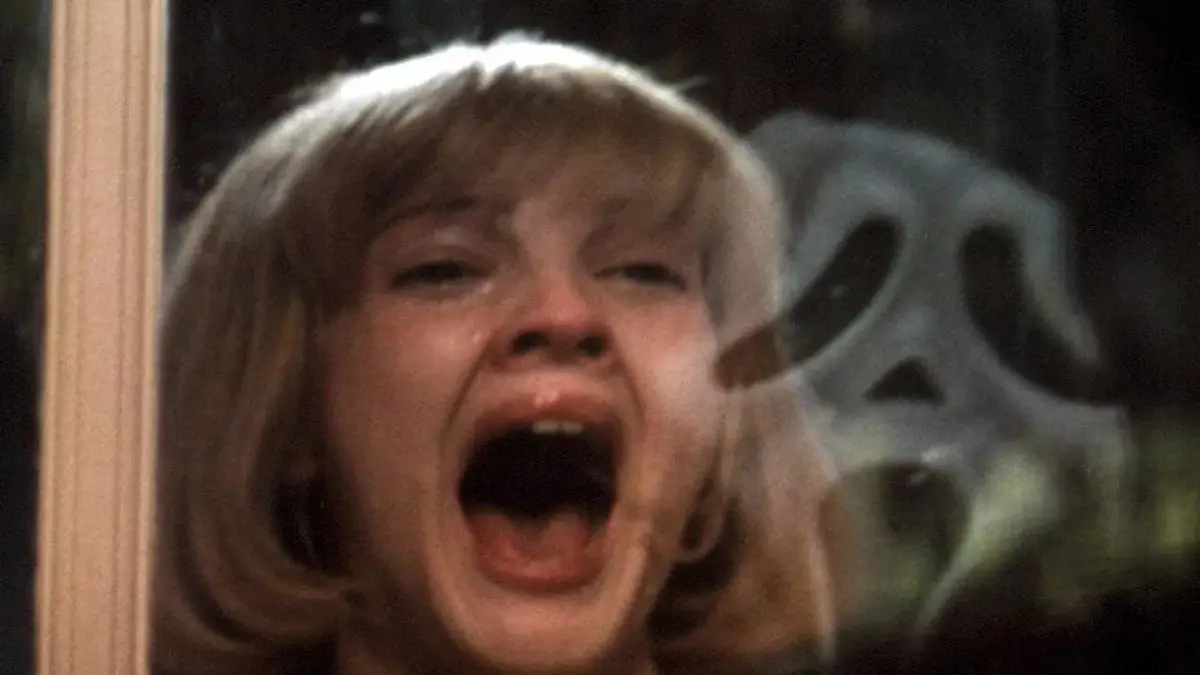
Scream (1996) didn’t just revive slashers; it rewired them by calling out the rules and then using that self-awareness to scare you anyway. It roasts the genre without ever feeling like it hates horror, and that love is exactly why the tension still works. It’s also the cleanest whodunit in the franchise, with a suspect pool that feels natural and clues that are planted with purpose, so you can play along without being talked down to. Even on rewatch, it’s impressive how tightly it balances character, comedy, and suspense, which is why every sequel is still chasing that same lightning.
Why It Rules
- The self-awareness feels fresh instead of forced
- Great suspect energy and a satisfying mystery
- A perfect balance of funny, scary, and genuinely tense moments
Why It Stumbles
- A few performances lean cheesy, depending on your tolerance
- Some elements are intentionally heightened and not “realistic”
- The third act goes big and chaotic
Fun Trivia: Scream didn’t just revive the slasher; it reshaped how audiences thought about everyday tech in horror. The use of caller IDs got a big popularity bump around the film’s release, which tracks with how the opening made phone calls feel instantly dangerous. Even if you don’t buy the exact “tripled” claim as pure math, the larger point holds: Scream turned a normal household detail into a new anxiety trigger.
2. Scream 4 (2011)
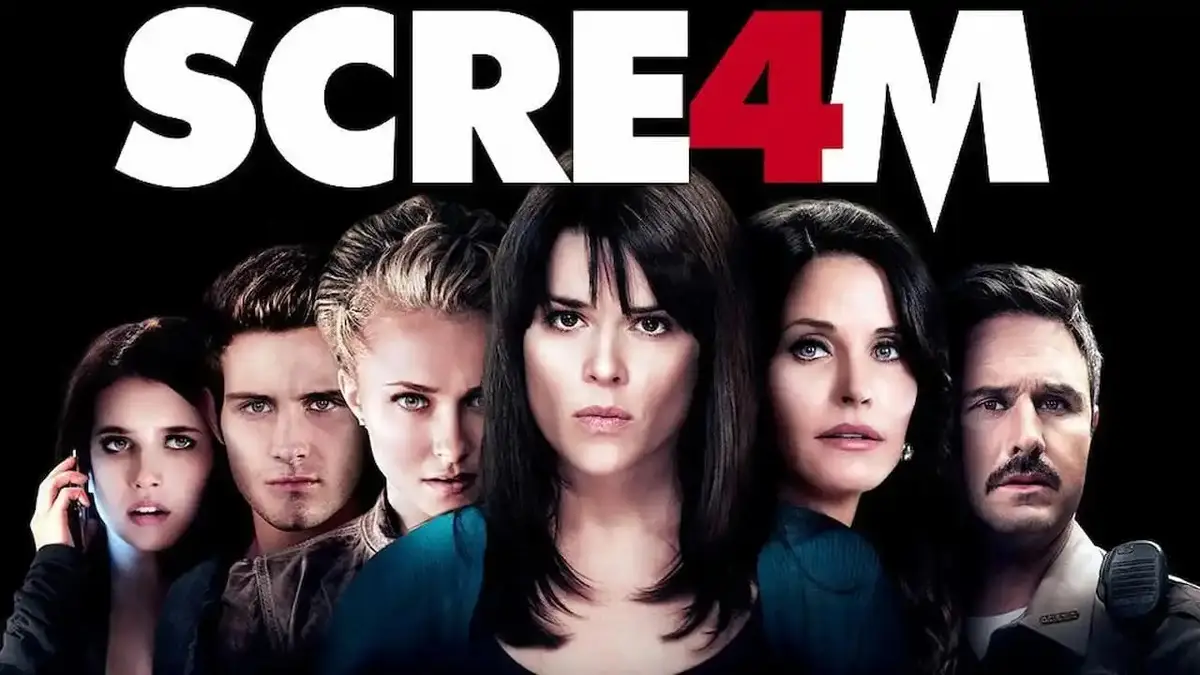
For years, Scream 4 felt underrated, but it’s a razor-sharp takedown of remakes and fame culture that still delivers classic Woodsboro paranoia with a new generation of targets. It might also have the best Ghostface phone presence in the entire franchise, packed with memorable one-liners while staying genuinely menacing. On top of that, it was ahead of its time with its streamer and influencer vibes baked into the newer characters, and it sticks the landing with what I still consider the strongest Ghostface reveal in the series.
Why It Rules
- Great blend of legacy characters and new blood
- Strong commentary that has aged well
- A mean, energetic Ghostface run through Woodsboro
Why It Stumbles
- You can predict some deaths and beats earlier than you want
- The ending stretches a bit
- The motive won’t work for everyone
Fun Trivia: One of the quieter “modernization” shifts in Scream 4 is how often the movie uses post-production effects for violence. Compared to earlier entries, there was greater reliance on digital touch-ups, including adding knife blades or enhancing hits during editing. It’s not something most viewers clock on first watch, but it’s a good example of how the franchise evolved its practical horror toolkit over time.
3. Scream 2 (1997)
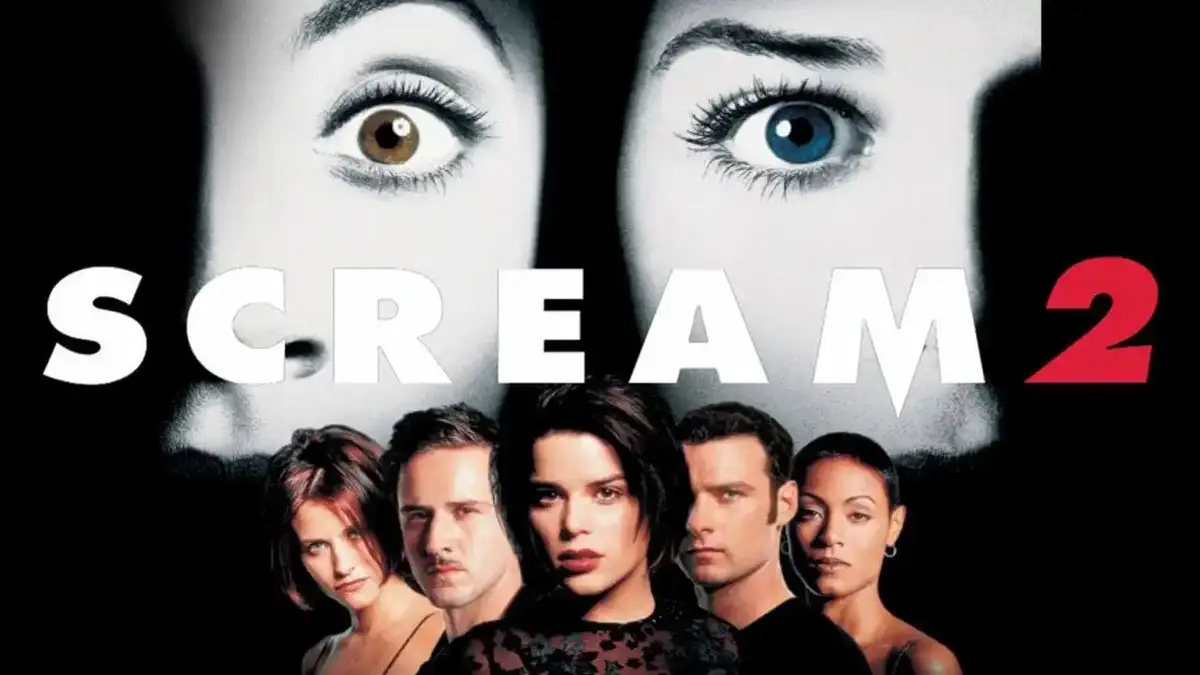
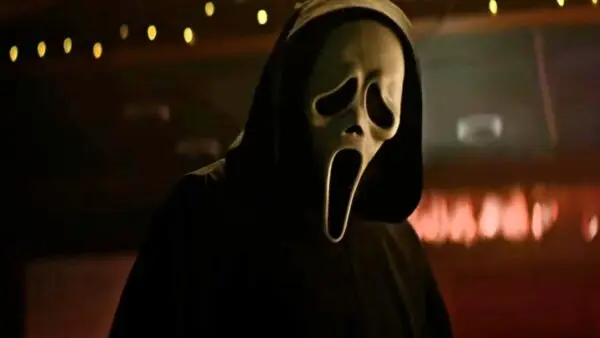
Scream 2 is the rare sequel that talks trash about sequels, then immediately proves it can level up anyway. The dialogue stays sharp, the set pieces get bigger, and the movie doubles down on the franchise rule that nobody is safe, even when you think you know how these stories work. It’s meaner, louder, and more confident than people sometimes give it credit for, and it still delivers some of the most nail-biting tension in the entire series, especially the Ghostface car scene, which remains one of the best “oh no” moments Scream has ever pulled off.
Why It Rules
- Keeps the meta commentary sharp
- Raises the stakes and the body count
- Expands the world without losing the core cast chemistry
Why It Stumbles
- The opening is iconic, but it doesn’t hit as perfectly as the original’s first punch for everyone
- The filmmaking has a few “loud cue” moments that can be distracting
- Primary Ghostface is purposely left off camera
Fun Trivia: Scream 2 came together at a speed most franchises can’t pull off today. After the first film hit big, the sequel went into motion quickly, and the creative team was already thinking in “franchise rules” terms while making it. That fast turnaround is part of why the movie feels so confident, as if it knows the audience is already trained and can start playing games immediately.
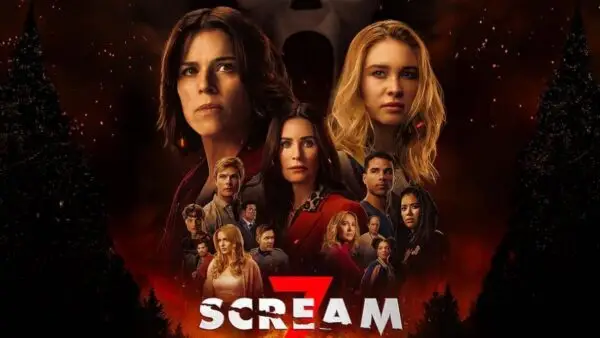
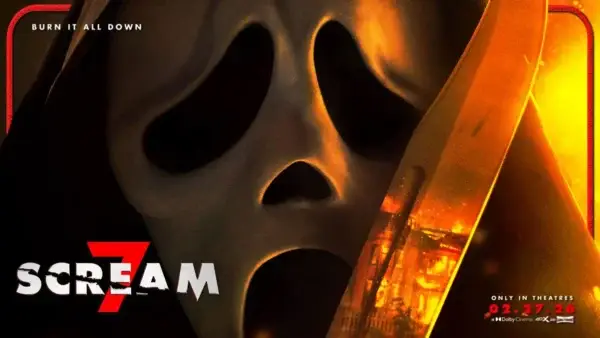
4. Scream 7 (2026)
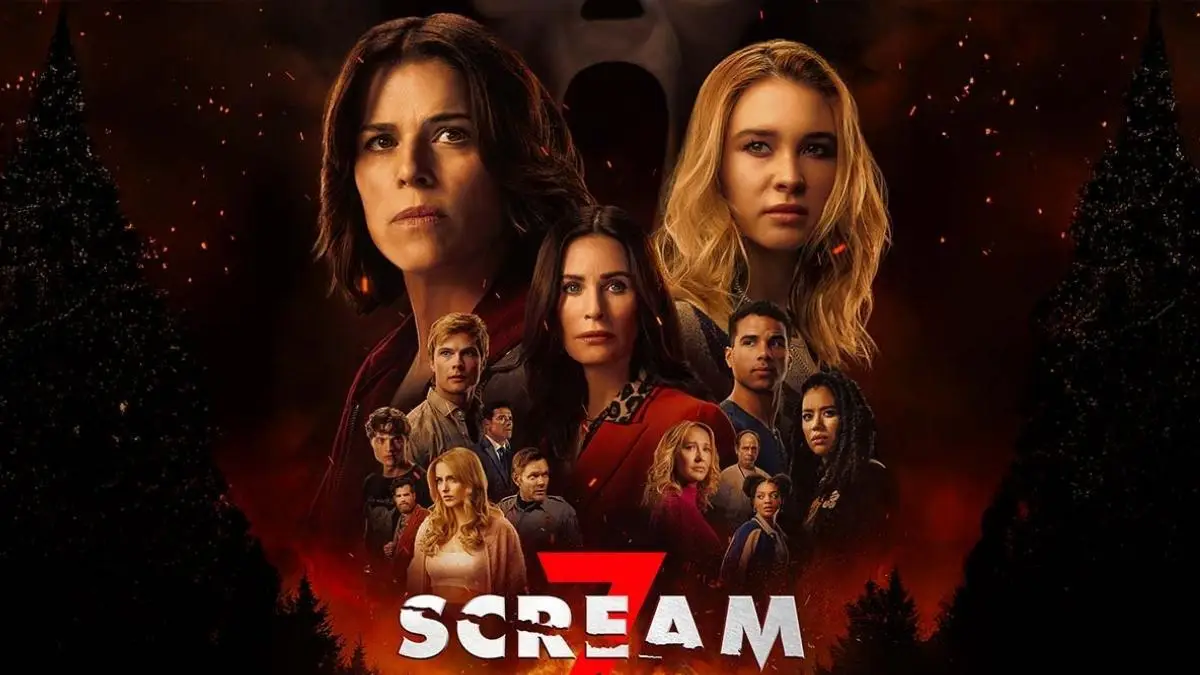
Scream 7 earns its spot here because it feels like a true return to form in tone and stakes. Bringing Sidney back as the emotional center, swapping back to small-town paranoia, and using modern tech paranoia in a very Scream way gives it a strong identity, even with a weaker mystery payoff.
Why It Rules
- Sidney is back in a big way, and the story is built around her again
- The small-town setting tightens the tension in a way the NYC entry couldn’t
- Deepfakes and legacy teases are used as psychological warfare, not just fan service
Why It Stumbles
- The whodunit doesn’t feel as “clue-driven” as the other entries
- A few choices land more as a swing than a clean payoff
- Worst Ghostface reveal in the franchise.
Fun Trivia: Scream 7 has a big behind-the-scenes headline: Kevin Williamson takes the director’s chair. For longtime fans, that’s a full-circle moment since Williamson’s voice is baked into what Scream is at its core. It also helps that Marco Beltrami is back on score duties, which gives the movie that instantly recognizable Scream sound whenever it needs to lean into dread, nostalgia, or pure adrenaline.
5. Scream 3 (2000)
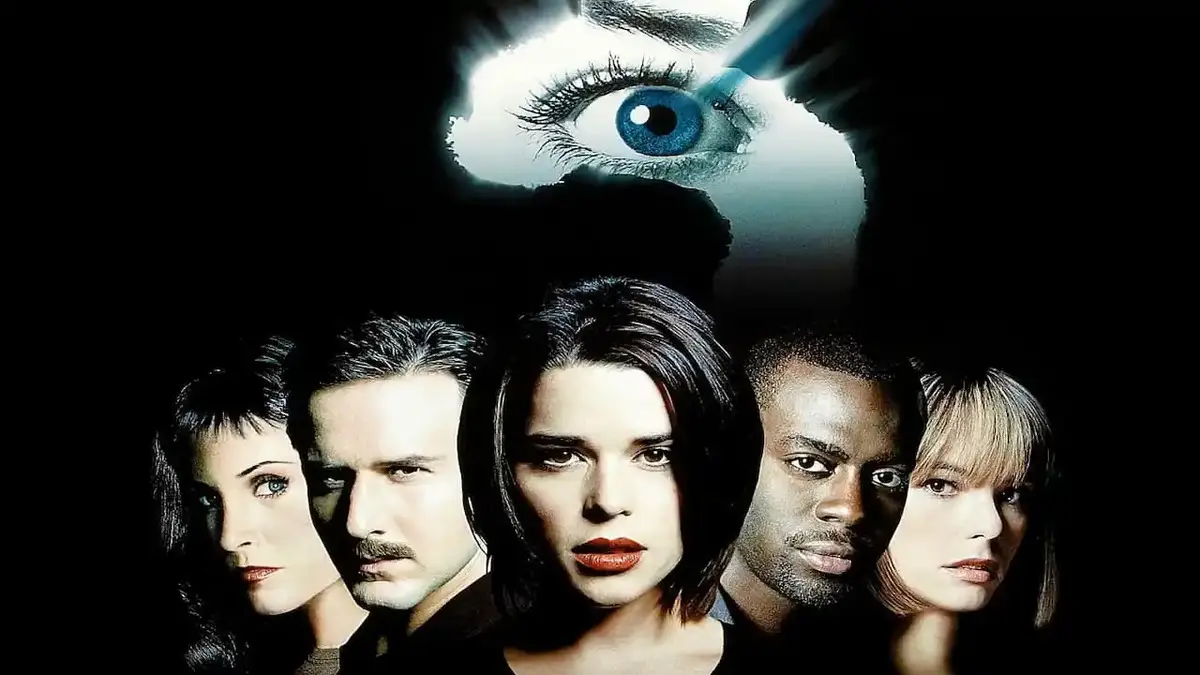
Scream 3 is messy, overstuffed, and still weirdly charming. It has big meta ideas for a trilogy capper and some genuinely fun Hollywood satire, but it’s easily the least focused of the original run, with a plot that can feel like it’s juggling one twist too many. What I do respect, though, is how fearless it is about shining a light on the darker side of the industry, calling out exploitation, abuse of power, and the way Hollywood chews people up long before those conversations became mainstream, and long before the eventual downfall of one of the film’s most infamous producers.
Why It Rules
- Commits to being a trilogy finale with big, goofy energy
- Still has that Scream self-awareness, even when it goes broad
- Amazing supporting cast
Why It Stumbles
- Feels scattered with too many moving pieces
- Sidney’s reduced presence changes the balance of the movie
- Gale’s bangs
Fun Trivia: Scream 3 has always felt a little different in energy, and part of that comes down to how production realities shaped the story. Neve Campbell’s availability was more limited during this one, which meant the film had to adjust how much time it could spend with Sidney compared to the first two movies. You can feel that shift in focus, especially when the movie leans harder into its Hollywood setting and ensemble chaos.
6. Scream (2022)
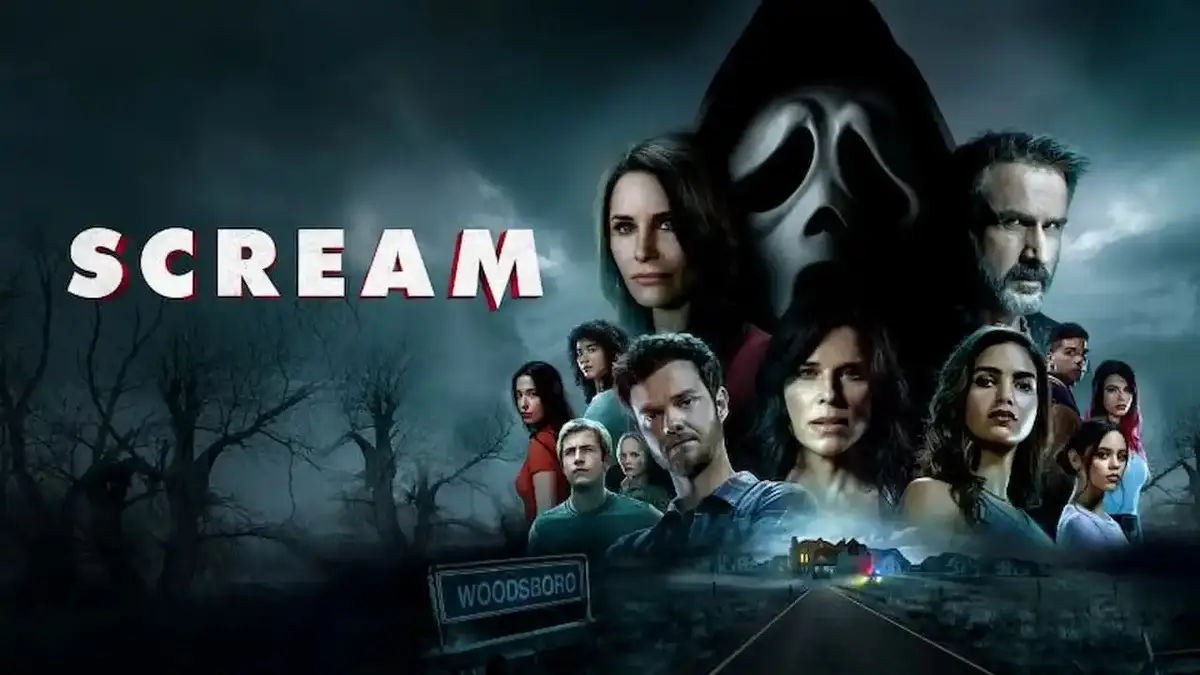
Scream (2022) is a solid franchise revival, but it ranks lower for me because it sometimes feels more focused on being “about” fandom than being a standalone classic on its own. That said, it is clearly designed as a requel, so the echoes of the original are part of the point, and it does succeed at what it set out to do. Most importantly, it brings in a new generation that helped make Scream feel relevant again, setting up the future with the Core Four characters (Sam, Tara, Mindy, and Chad) and the actors behind them: Melissa Barrera, Jenna Ortega, Jasmin Savoy Brown, and Mason Gooding.
Why It Rules
- Strong direction that brings Scream into a modern slasher era
- Introduces a new generation and sets up a new core dynamic
- Keeps the franchise voice alive without losing the formula
Why It Stumbles
- The meta commentary can feel a bit on-the-nose
- Some kills and story beats don’t hit as hard as the best sequels
- One major death remains a forever debate for fans
Fun Trivia: Scream (2022) makes a very Wes Craven-friendly nod feel official by confirming Sidney’s home address as 34 Elm Street. It’s the kind of detail that longtime horror fans love because it quietly ties Sidney’s world to Craven’s larger legacy without stopping the movie to explain it. It’s a small Easter egg, but it fits the franchise’s personality: self-aware, affectionate, and a little sneaky.
7. Scream VI (2023)
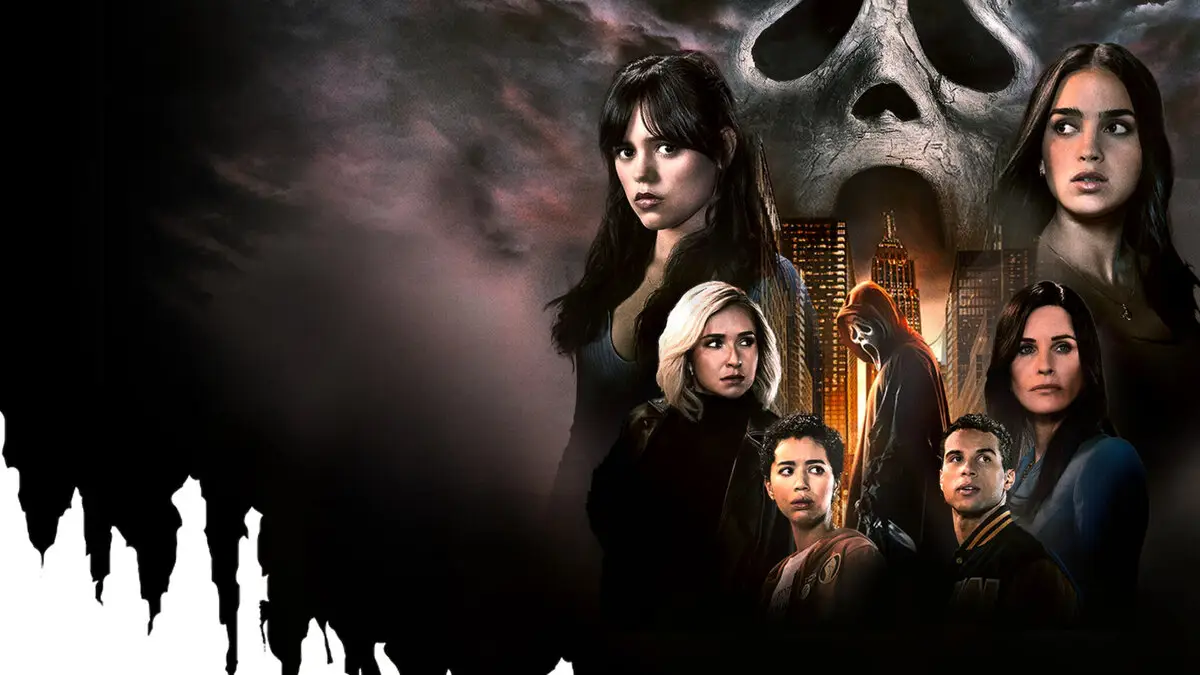
I still think Scream VI is a fun watch, but it lands last for me because the setting and the overall shape of the sequel don’t come together as cleanly as the rest. It has standout sequences, yet the “big city” concept doesn’t always feel fully utilized beyond a couple of major set pieces.
Why It Rules
- The “Core Four” gets more depth and confidence
- Two set pieces, especially the bodega and subway beats, are franchise highlights
- Keeps the pace moving and understands modern Scream energy
Why It Stumbles
- NYC sometimes feels like a backdrop more than a story weapon
- The legacy character gap is felt, even with nods
- Too much plot armor for the core four
Fun Trivia: Scream VI keeps the series tradition of musical callbacks, using familiar motifs to pull emotional threads from earlier entries into a new setting. It’s the kind of thing you feel even if you don’t consciously notice it, especially during moments meant to hit longtime fans hardest. Those audio cues help the franchise stay connected even when the location and core dynamics shift.
What’s Your Favorite Scary Movie?
This Scream ranking shows why there’s really no such thing as a “bad” Scream movie, just different flavors of Scream. Every entry has redeeming moments, and that consistency is exactly why the franchise keeps surviving every era of horror and stays iconic.
Head to our Scream 7 hub for all the latest guides, including our Scream 7 review to see why it ranks where it does.